The HPV vaccines licensed in the U.S.A, are subunit vaccines that were produced using recombinant DNA. The quadrovalent HPV4 vaccine or Gardasil, was approved in 2006 for children age 9 to 26 years old. This vaccine contains antigen from strains 6, 11, 16, and 18. In 2009 the Bivalent (HPV2) vaccine was approved for females only age 9 - 25 years old. Cervarix contains antigen from HPV 16 and 18 (1).
HPV vaccines are highly immunogenic, with 99% of people having developed an antibody response one month after the three doses of the vaccine. Due to how immunogenic the vaccine is there is no known minimal titre that is required for protection. Herd immunity is a major part of preventing infection since humans are the natural reservoir. If vaccinations for HPV were to stop there would be an increase in cervical, penile, and other genital cancers(1).
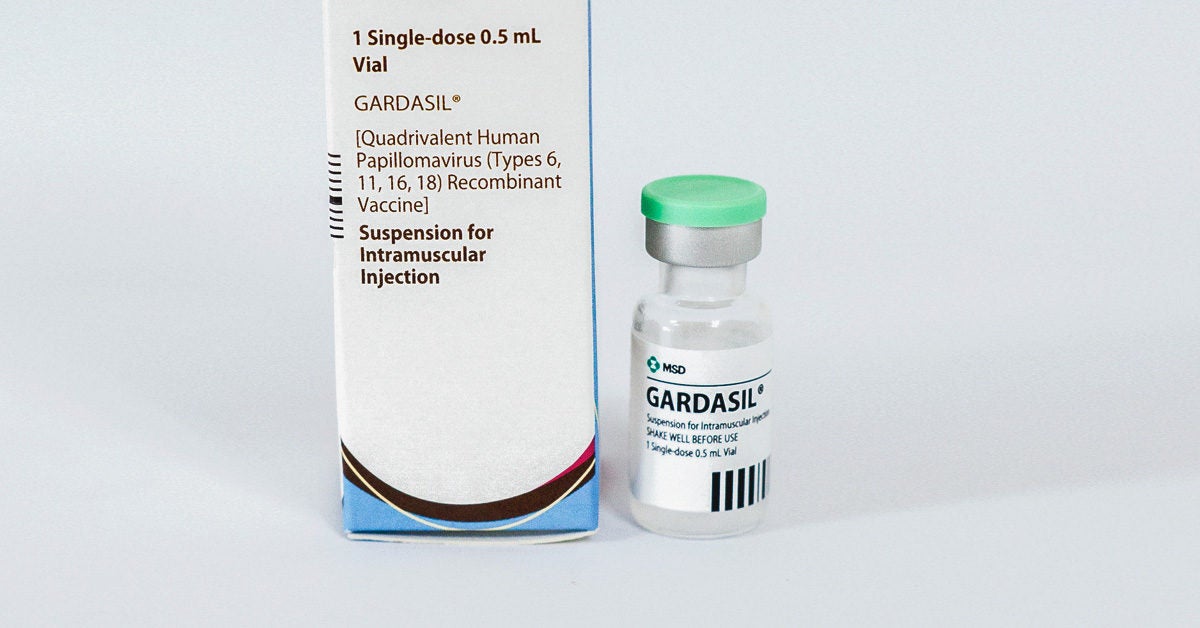 (2)
(2)
1Pinkbook. (2019, April 15). Retrieved May 2, 2020, from https://www.cdc.gov/vaccines/pubs/pinkbook/hpv.html#vaccines
2TechSpace, N. K. (2020, April 17). HPV Vaccine: Pros and Cons.
Retrieved May 2, 2020, from
https://www.healthline.com/health/sexually-transmitted-diseases/hpv-vaccine-pros-and-cons
